The NeutralsORG

World Neutrals Summit 2026 — Barcelona · August 2026 · 69 spots remaining → Participate at Barcelona
TheNeutrals.ORG™
$200Clarity Snapshot™ from
11sections in every NER report
3–5days delivery
INDS™every evaluation governed
Submit NE-01 Intake →
System 02 · DRS
Dispute Resolution Systems

Seven instruments. One methodology. Arbitration is always the last resort — every instrument before it is designed to prevent it.

Explore DRS →
$800
Mediation from
56+
Convention countries
48h
Appointment
$800Mediation from
56+Singapore Convention countries
164NY Convention countries
48happointment confirmation
Appoint a Neutral →
The Neutral Profession
Get Certified. Join the Bench.

1,329+ certified neutrals. 80+ countries. 12 sector benches. Exclusive by design — maximum 10 per sector per country.

The Profession →
1,329+
Certified
80+
Countries
12
Benches
1,329+certified neutrals
80+countries represented
12sector benches
10max per sector per country
Apply — Free →
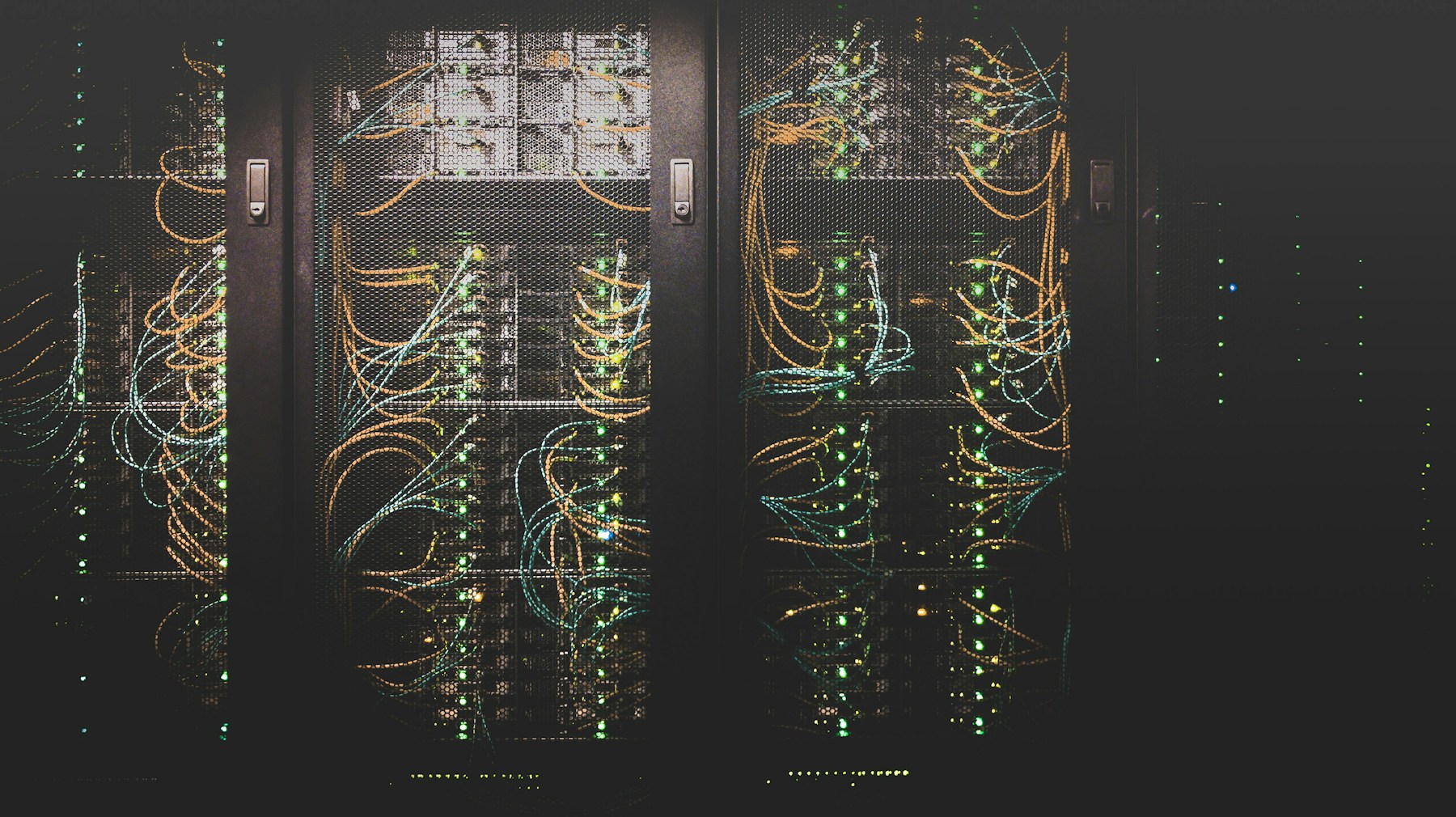
Data centre — ICT and telecoms infrastructure
ICT & Telecoms Bench
Regulatory expertise and technical credibility — both required.
Fellow
10+ years · Senior telecoms, regulatory, or ICT practice
Accredited
5+ years · Verified spectrum, network, or ICT dispute expertise
Neutral
Entry level · Telecoms law or engineering background required
Fewer than 1 in 3 applications approved. Technical understanding of network architecture is assessed alongside legal and regulatory expertise.
Apply Free →
📱Sector Bench · ICT & Telecoms
ICT
& Telecoms
disputes, resolved.

Specialist certified neutrals for spectrum allocation, network interconnection, infrastructure sharing, roaming agreements, regulatory enforcement, and the complex commercial disputes arising from the deployment of 5G, fibre, and digital infrastructure across global telecoms markets.

ITU
Spectrum framework
5G
Infrastructure disputes
NRA
Regulatory conflicts
48h
Appointment
Live · ICT & Telecoms
Neutral appointed · Network interconnection dispute · Major EU telecoms · €28M interconnect charge disagreement · 2 hours ago
Spectrum sharing settled · 5G mid-band conflict · National regulator · Expert Determination · 18 days · 4 hours ago
INE™ Snapshot delivered · Infrastructure sharing dispute · Tower company · Mobile network operator · NER 5 days · 6 hours ago
Roaming dispute resolved · International roaming rate disagreement · MNO vs MVNO · Mediation · 1 day ago
New Fellow certified · ICT Bench · Brussels · 20 years telecoms regulatory and spectrum law · 2 days ago
Regulatory enforcement dispute · NRA decision challenge · QoS non-compliance · Expert Determination · 2 days ago
Appointment & Resolution Activity
📱
ICT neutral appointed
Network interconnection · €28M interconnect charge dispute · EU MNO · BEREC reference point methodology conflict
2h ago
5G spectrum sharing — Expert Determination
Mid-band spectrum conflict · National regulator · ITU framework · Binding determination · 18 days
4h ago
📋
INE™ Snapshot — infrastructure sharing
Tower sharing dispute · MNO vs towerco · Site access and cost allocation · NER delivered · Settlement advanced
6h ago
📱
International roaming — Mediation settled
MVNO roaming rate disagreement · EU roaming regulations · 1-day mediation · Commercial arrangement agreed
1d ago
New Fellow — ICT Bench · Brussels
20 years telecoms regulatory law · Spectrum, interconnection, NRA enforcement, and 5G infrastructure expertise
2d ago
NRA enforcement — Expert Determination
QoS non-compliance dispute · National regulator challenge · Technical methodology assessment · 22 days · Binding
2d ago
Sector Intelligence
$1.8T
Global 5G infrastructure investment
GSMA — 5G deployment conflicts over spectrum, infrastructure sharing, and deployment obligations are the fastest-growing ICT dispute category globally
340%
Telecoms regulatory disputes growth (2020–25)
NRA enforcement actions, spectrum refarming conflicts, and open-access infrastructure obligations driving exponential dispute volume across EU, GCC, and Asia-Pacific
$4.2B
Annual telecoms arbitration cost globally
ITU — compared to INE™ Snapshot at $200 that resolves 38% of ICT disputes before formal proceedings begin
62%
ICT disputes from regulatory ambiguity
Open-access obligations, net neutrality, and spectrum sharing — the three areas where national regulatory frameworks most frequently generate commercial conflicts between operators
Recent Outcomes · Anonymised
Determined
Network interconnection — €28M
Expert Determination · EU MNO · BEREC methodology · 24 days
Settled
5G spectrum sharing dispute
Mediation · National regulator · Mid-band allocation · 1-day session
Evaluated
Infrastructure sharing — towerco
INE™ Snapshot · 5 days · Site access and cost allocation · NER informed MNO position
Determined
QoS enforcement challenge
Expert Determination · NRA decision · Technical methodology · 22 days · Binding
Settled
MVNO roaming rate dispute
Mediation · EU roaming regulations · Commercial arrangement agreed forward
Evaluated
Fibre open-access obligation
INE™ DeepView™ · Wholesale access pricing · NER informed regulatory submission
Network infrastructure — ICT and digital connectivity
80+
Countries active
"Telecoms disputes cannot be assessed by people who do not understand how networks are built — not just how they are regulated."
The ICT & Telecoms Bench

Where technical architecture

meets regulatory complexity.

ICT and telecoms disputes occupy a unique intersection of technical complexity and regulatory framework. A spectrum allocation dispute cannot be assessed by someone who does not understand radio frequency propagation. A network interconnection conflict requires understanding of both the commercial relationship and the technical protocol stack. The ICT Bench certifies professionals who bring both.

TheNeutrals.ORG™ certifies telecoms lawyers, spectrum engineers, network architects, regulatory specialists, and ICT policy practitioners who understand the full landscape — from ITU spectrum governance and EU electronic communications frameworks through national regulatory authority enforcement actions and the commercial disputes arising from 5G, fibre, and satellite deployment.

Dispute TypesSpectrum, interconnection, infrastructure sharing, roaming, QoS, open access, network neutrality, regulatory enforcement
Key FrameworksITU Radio Regulations, EU Electronic Communications Code, BEREC, national NRA frameworks, WTO telecom reference paper
InstrumentsExpert Determination (technical), INE™ (regulatory intelligence), Mediation (commercial), Arbitration (last resort)
Key SectorsMNOs, MVNOs, ISPs, towercos, satellite operators, NRAs, infrastructure funds, equipment vendors
Common Dispute Types

What our ICT & telecoms

neutrals handle.
Six dispute categories spanning spectrum, network, regulatory, and commercial ICT conflicts.
01
Spectrum & Frequency Disputes

Spectrum sharing conflicts between operators, interference disputes, spectrum refarming disagreements, licence condition interpretation conflicts, and the complex allocation disputes arising from 5G mid-band, mmWave, and satellite spectrum assignment in congested markets.

SpectrumITU5G mid-bandOFCOM
02
Network Interconnection

Interconnect charge disputes, peering agreement conflicts, transit pricing disagreements, BEREC reference point methodology challenges, and the commercial disputes arising from the interconnection of fixed, mobile, and IP networks across operators and jurisdictions.

InterconnectBERECPeeringTransit
03
Infrastructure Sharing & Access

Tower sharing disputes between MNOs and towercos, fibre duct access disagreements, open-access obligation conflicts, wholesale broadband access pricing disputes, and the site access and cost allocation conflicts arising from passive infrastructure sharing under national deployment obligations.

Tower sharingOpen accessWholesale
04
Regulatory Enforcement Disputes

NRA enforcement action challenges, QoS and coverage obligation compliance disputes, net neutrality enforcement conflicts, significant market power designation challenges, and the complex jurisdictional disputes arising from cross-border NRA regulatory action in multi-operator markets.

NRAQoSSMPNet neutrality
05
Roaming & MVNO Disputes

International roaming rate disagreements, MVNO host network agreement conflicts, virtual operator capacity and quality disputes, EU roaming regulation compliance conflicts, and the commercial framework disputes arising from MVNO wholesale access pricing under national NRA oversight.

MVNORoamingEU Roaming Reg
06
ICT Outsourcing & IT Contracts

Large-scale IT outsourcing agreement failures, managed services disputes, data centre service level breaches, cloud migration contract conflicts, and the complex enterprise ICT disputes arising from multi-year managed services contracts between operators, vendors, and enterprise clients.

OutsourcingSLACloudManaged services
Resolution Instruments

Technical disputes need

technical neutral expertise.
Primary · Technical Binding
Expert Determination

The primary mechanism for ICT disputes with a defined technical or regulatory question — spectrum interference methodology, interconnect charge calculation, QoS measurement compliance, or infrastructure sharing cost allocation. A neutral who understands the technology and the regulatory framework delivers a binding determination. No public record. No prolonged proceedings.

Spectrum engineers, network architects, telecoms lawyers, and regulatory specialists on the bench
Binding under contract or regulatory framework — enforceable without separate proceedings
From $2,000 · typically 3–6 weeks · technical document and evidence review
ITU, BEREC, and national NRA framework expertise available
Expert Determination →
Primary · Regulatory Intelligence
Independent Neutral Evaluation (INE™)

Before any formal regulatory or commercial process — the INE™ evaluation gives operators, NRAs, infrastructure investors, and their legal advisers an independent expert view of both the technical facts and the regulatory position. Used by telecoms GC teams to inform settlement decisions, regulatory submissions, and board presentations before committing to formal proceedings.

Clarity Snapshot™ — from $200 · 4–5 days · Interconnection and infrastructure sharing disputes
Clarity DeepView™ — from $800 · 7–14 days · Spectrum and regulatory enforcement matters
Spectrum engineers, telecoms lawyers, and NRA specialists on the evaluation panel
Neutral Evaluation →
Resolution · Commercial
Telecoms Mediation

Where the commercial relationship between operators — interconnection partners, infrastructure sharing counterparties, MNO-MVNO relationships — must survive the dispute, mediation with a neutral who understands both the commercial dynamics and the technical architecture delivers settlements that preserve the ongoing operational relationship.

Mediators with telecoms commercial background — former MNO executives, regulatory specialists, and telecoms lawyers
Singapore Convention enforcement in 56+ countries
From $800 · 1–2 day sessions · absolute confidentiality
Mediation →
Prevention · Contractual
Dispute System Design

For MNOs, towercos, MVNOs, and infrastructure funds with recurring ICT dispute patterns — bespoke dispute resolution frameworks built into infrastructure sharing agreements, MVNO host network contracts, and wholesale broadband access documentation. Reduces dispute frequency and regulatory exposure across an entire portfolio of commercial ICT relationships.

Infrastructure sharing agreement dispute clause design
MVNO host network agreement dispute framework
Wholesale broadband access agreement dispute prevention architecture
Dispute System Design →
Who Uses the ICT Bench

Built for every participant

in the global telecoms and digital infrastructure ecosystem.
📡
Mobile Network Operators

Spectrum sharing conflicts, interconnection charge disputes, infrastructure sharing disagreements, and MVNO host network conflicts — where MNOs need neutrals who understand both the commercial relationship and the technical architecture that underpins it.

🏗
Tower Companies & Infrastructure Funds

Site sharing disputes, open-access obligation conflicts, cost allocation disagreements, and lease termination conflicts — where towercos and infrastructure investors need neutrals who understand both the commercial economics and the regulatory obligations of passive infrastructure sharing.

🏛
National Regulatory Authorities

NRA enforcement action support, independent technical assessment of compliance claims, and neutral facilitation for spectrum allocation consultations — where regulatory authorities need independent expert assessment that is credible to all parties in a contested regulatory process.

📶
MVNOs & Virtual Operators

Host network agreement conflicts, capacity and quality disputes, roaming rate disagreements, and wholesale access pricing challenges — where MVNOs need neutrals who understand the commercial and technical asymmetry of virtual operator relationships.

Telecoms Lawyers & Regulatory Counsel

Technical expert appointment, neutral selection for ICT proceedings, and independent spectrum and network assessment for clients — where telecoms law firms need access to genuinely independent technical expertise that is separate from equipment vendor and operator relationships.

🛰
Satellite & New Space Operators

LEO satellite spectrum coordination disputes, terrestrial-satellite interference conflicts, gateway infrastructure sharing disagreements, and the emerging category of new space operator disputes as LEO constellation deployment creates new spectrum and orbital position conflicts.

🎓
For Neutrals — Below this line
Join the ICT & Telecoms Bench
Why Join This Bench

Six reasons the best

ICT & telecoms practitioners are here.
📡
Technical and Legal Expertise Both Valued
The ICT Bench is one of the few sector benches that explicitly certifies engineers alongside lawyers. A spectrum engineer who cannot interpret a regulatory framework is as limited as a telecoms lawyer who cannot read a network topology. The bench requires both — and rewards both.
🌍
Global Regulatory Coverage
Recognised across ITU, BEREC, and national NRA frameworks in 80+ countries. Your certification signals technical and regulatory credibility to operators and infrastructure investors who need verifiably independent expertise across multiple regulatory jurisdictions simultaneously.
🔒
The Selectivity That Signals Expertise
Fewer than 1 in 3 ICT applications are approved. A telecoms lawyer without technical understanding of the disputes they will assess will not be approved. A spectrum engineer without neutral methodology will not be approved. Both are required — and the bench reflects that.
📶
5G-Ready CPD
Quarterly updates on 5G spectrum regulation, open RAN deployment disputes, satellite-terrestrial interference frameworks, and emerging NRA enforcement trends — from practitioners who work at the leading edge of digital infrastructure deployment globally.
INDS™ Calibrated for Regulatory Disputes
The INDS™ practitioner toolkit includes NER templates calibrated for spectrum, interconnection, and infrastructure sharing disputes — with ITU, BEREC, and national NRA regulatory framework references built into the assessment structure from the start.
🌐
The ICT Chapter — Connect
Monthly ICT bench roundtables, spectrum and 5G regulatory update sessions, and co-referral matching with technology, AI, and banking practitioners across all 12 sector benches — for the growing category of disputes that cross ICT and financial services simultaneously.
Eligibility

Who qualifies for

the ICT & Telecoms Bench.
Required — must meet all
8+ years of professional experience in telecoms law, spectrum regulation, network engineering, ICT policy, or telecoms regulatory affairs
Demonstrated working knowledge of at least one of: ITU Radio Regulations, EU Electronic Communications Code, BEREC guidelines, national NRA frameworks, spectrum engineering, or network interconnection
Prior experience as a neutral, expert witness, or senior technical/regulatory adviser in an ICT dispute — or equivalent qualification in telecoms law, spectrum engineering, or regulatory economics
Technical credibility in at least one of: spectrum propagation, network architecture (IP/MPLS), 5G RAN, or infrastructure sharing — sufficient to assess the technical facts of ICT disputes independently
Preferred — strengthens application
Former NRA official, ITU delegate, or BEREC working group participant — regulatory insider expertise that cannot be replicated from private practice alone
Chartered engineer (IET, IEEE, or equivalent) with active telecoms engineering practice — particularly for spectrum and network infrastructure appointment
Multi-jurisdictional regulatory experience across EU, GCC, Asia-Pacific, or Africa — the most active regions for ICT infrastructure deployment disputes
Satellite or new space sector experience — LEO constellation and terrestrial-satellite disputes are the fastest-growing ICT dispute sub-category globally
Certification Board Standard
1 in 3
Applications approved on the ICT Bench.
Technical credibility is non-negotiable. The Board assesses whether the applicant genuinely understands the disputes they will evaluate — not just the legal frameworks around them. A telecoms lawyer without technical network understanding will not be approved for spectrum or infrastructure appointments.
Frequently Asked Questions

Everything you need

to know before applying.
Do I need to be an engineer to apply?
Not necessarily, but technical credibility is essential for many ICT appointments. Telecoms lawyers without engineering background are well-suited for regulatory, contract, and commercial ICT disputes. Spectrum and network infrastructure appointments specifically require demonstrated technical understanding — the Board assesses this independently of your legal qualification.
What types of appointments will I receive?
Appointments match your expertise precisely. Spectrum engineers receive frequency allocation and interference disputes. Regulatory specialists receive NRA enforcement challenges. Telecoms lawyers receive MVNO and interconnection contract disputes. Network architects receive infrastructure sharing and QoS cases. The matching is technically specific.
Do I pay anything to apply?
No. Application is completely free. The annual certification fee ($395–$795 depending on your tier) applies only after the Certification Board approves your application. Detailed written feedback is provided to all applicants regardless of outcome.
Can I join if I still work at a telecoms operator or regulator?
Yes, subject to your employer's conflict of interest policies. Many bench members maintain active roles at MNOs, NRAs, and regulatory consultancies. Each appointment is COI-checked individually — the telecoms industry's operator and regulator relationships make the COI protocol particularly carefully applied on this bench.
How does the bench handle multi-jurisdictional regulatory disputes?
Many ICT disputes span multiple regulatory jurisdictions simultaneously — a spectrum sharing conflict may involve different national frameworks, ITU coordination obligations, and bilateral agreements. The bench actively recruits practitioners with multi-jurisdictional regulatory experience and the INDS™ framework specifically addresses cross-border regulatory complexity.
Is the expression of interest binding?
No. Entirely non-binding. The formal application is separate and takes 15 minutes. The Board responds within 5–7 business days with detailed feedback — including specific guidance on strengthening a reapplication if unsuccessful, particularly regarding the technical credibility assessment.
Expression of Interest

Technical expertise.

Regulatory credibility. Both required.

The form takes under 3 minutes. Non-binding. The Board responds within 5–7 business days with next steps and detailed feedback — including assessment of your technical and regulatory credibility for the specific appointment types you would handle.

No payment · No obligation · Technical assessment included · Written feedback
Free to apply. Fee on approval only. Feedback guaranteed.
ICT & Telecoms Bench
Expression of Interest
Expertise (select all)
Non-binding · Confidential · Written feedback guaranteed · 5–7 day response
Networks move fast.
Disputes shouldn't.

Applications take 15 minutes and are reviewed in 5–7 days. Technical credibility is assessed alongside legal expertise. No payment required. Written feedback on every application.

Apply for Certification — FreeAppoint an ICT Neutral
No payment at application · Fee on approval only · Feedback guaranteed